Get Accessible Bathroom Remodeling
Accessible bathroom remodeling services help property owners adapt bathrooms for safety, mobility, and comfort through projects like grab bar installation, walk-in showers, and barrier removal.
Accessible bathroom remodeling is a practical upgrade for property owners seeking to enhance safety, convenience, and functionality within their homes or commercial spaces. Whether planning for aging-in-place, accommodating mobility challenges, or simply aiming to improve everyday accessibility, many local property owners explore remodeling options to create more inclusive environments. This type of work often involves thoughtful modifications that can make a significant difference in comfort and independence, encouraging readers to consider how these improvements might benefit their spaces.
For those interested in exploring accessible bathroom remodeling, it’s helpful to compare the services offered by local contractors and service providers. Evaluating different options can ensure that the project aligns with specific needs and preferences, while also providing insight into the variety of solutions available. Continuing to read can provide valuable information about the types of modifications available and how to connect with experienced professionals in the local area who can handle the job effectively.
- Accessible Bathroom Remodel - when homeowners need to update a bathroom for easier mobility and safety.
- Walk-In Tub Installation - suitable for individuals seeking safer, more accessible bathing options.
- Grab Bar and Handrail Installation - necessary for those requiring additional support to prevent falls.
- Barrier-Free Shower Conversion - ideal for clients wanting a shower without steps or thresholds for easier access.
- Raised Toilet and Comfort Height Fixtures - helpful for people with limited mobility or joint issues needing ergonomic bathroom fixtures.
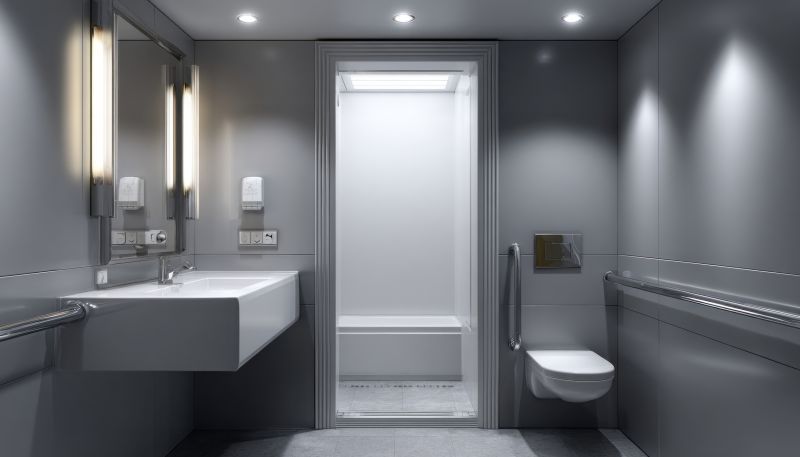
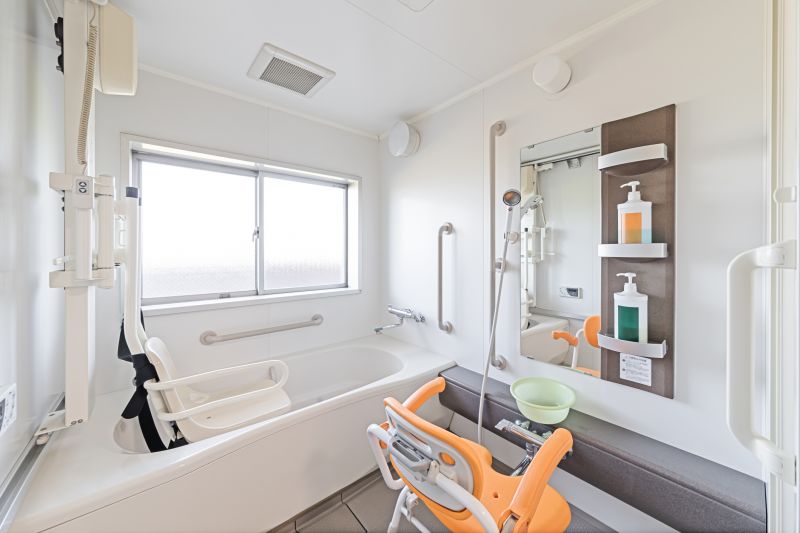
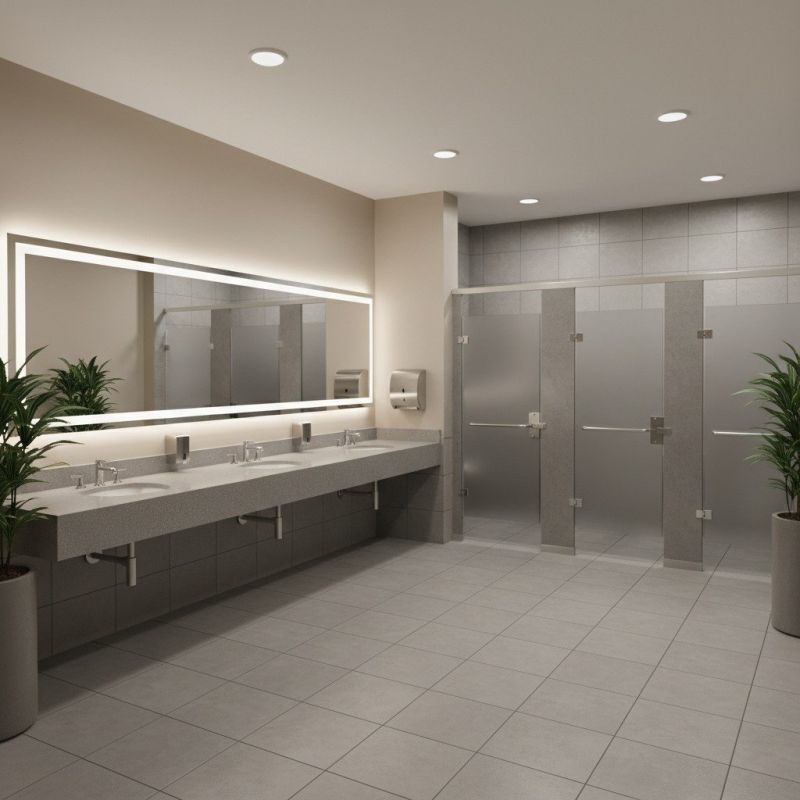
Accessible bathroom remodeling services focus on making bathrooms safer, more functional, and easier to use for individuals with mobility challenges or other accessibility needs. This type of remodeling typically involves installing features such as walk-in showers, grab bars, non-slip flooring, and accessible sinks and toilets. These upgrades are designed to create a space that minimizes the risk of slips and falls, reduces the need for bending or reaching, and provides easier access for those with limited mobility. Local contractors experienced in accessible design can help customize bathroom layouts to meet specific needs, ensuring safety and convenience without sacrificing style.
Many problems can be addressed through accessible bathroom remodeling. Homeowners or residents who experience difficulty stepping over high tub edges, reaching fixtures, or maintaining balance while in the bathroom may benefit from these upgrades. Additionally, individuals recovering from surgery, dealing with age-related mobility issues, or managing disabilities often find that accessible features allow for greater independence and safety. By updating the bathroom to accommodate these needs, families can reduce the risk of accidents and create a more comfortable environment for everyone.
Accessible bathroom remodeling is commonly used in various property types, including single-family homes, senior living residences, and multi-unit apartment buildings. Homes that have not been updated for accessibility may pose challenges for residents with mobility issues, making remodeling an essential step toward safer living. Additionally, property managers and landlords often seek these services to ensure their units remain compliant with accessibility standards and appeal to a broader range of tenants. Commercial properties such as assisted living facilities or healthcare centers may also require specialized modifications to meet regulatory requirements and improve usability for residents or patients.
Homeowners considering accessible bathroom remodeling should look for local service providers experienced in this specialized work. These contractors can assess existing bathroom layouts, recommend appropriate modifications, and execute the upgrades efficiently. Whether the goal is to create a more accessible space for aging in place or to accommodate a family member with mobility challenges, connecting with reputable local pros can help ensure the project meets safety, functionality, and aesthetic goals. Contacting local contractors allows homeowners to explore options tailored to their specific needs and property type, making the bathroom safer and more accessible for everyday use.
The overview below groups typical Accessible Bathroom Remodeling projects into broad ranges so you can see how smaller, mid-sized, and larger jobs often compare in your area.
In many markets, a large share of routine jobs stays in the lower and middle ranges, while only a smaller percentage of projects moves into the highest bands when the work is more complex or site conditions are harder than average.
Smaller Repairs - Typical costs for minor accessibility upgrades like grab bar installation or threshold modifications generally range from $250-$600. Many routine jobs fall within this middle range, depending on the specific modifications needed.
Mid-Range Remodels - Replacing fixtures, installing accessible sinks, or upgrading flooring usually costs between $1,500 and $4,000. These projects are common and represent a significant portion of accessible bathroom renovations handled by local contractors.
Full Bathroom Replacement - Complete remodels that involve relocating fixtures or extensive modifications can range from $5,000 to $15,000 or more. Larger, more complex projects tend to push into the higher end of this spectrum, though they are less frequent.
Custom or Complex Projects - Highly customized or intricate accessibility upgrades, such as structural modifications or advanced features, can exceed $20,000. These projects are less common but handled by experienced service providers for clients with specialized needs.
Actual totals will depend on details like access to the work area, the scope of the project, and the materials selected, so use these as general starting points rather than exact figures.
Kitchen Accessibility Renovations - involves modifying kitchen layouts and fixtures to improve accessibility, utilizing similar planning and adaptive design skills as bathroom remodeling.
Home Entryway Modifications - includes installing ramps, wider doorways, and threshold adjustments, requiring expertise in structural planning and accessibility standards.
Walk-in Shower Installations - focuses on creating barrier-free shower spaces, sharing skills in waterproofing, plumbing, and space optimization with bathroom remodeling contractors.
Handicap-Accessible Stairlift Installations - involves integrating mobility solutions into homes, requiring precise planning and knowledge of space and safety considerations.
Grab Bar and Support Handle Installations - entails securely mounting support fixtures in bathrooms and other areas, utilizing similar tools and safety planning as bathroom upgrades.
Senior-Friendly Home Renovations - encompasses various modifications to improve safety and accessibility throughout the home, often involving similar skills and planning as accessible bathroom projects.
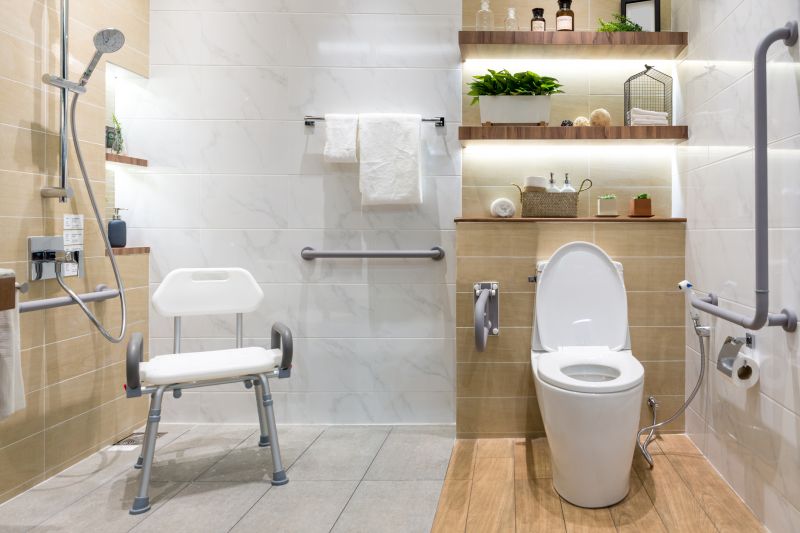
When comparing service providers for accessible bathroom remodeling, it’s important to consider their experience with similar projects. Homeowners should look for local contractors who have a proven track record of completing bathroom renovations that address accessibility needs. This can include understanding specific features like grab bars, walk-in showers, or barrier-free designs. A contractor’s experience with these types of projects indicates familiarity with the unique challenges and solutions involved, helping to ensure the work will meet both functional and safety requirements.
Clear, written expectations are essential when evaluating potential service providers. Homeowners should seek detailed proposals or estimates that outline the scope of work, materials to be used, and the timeline for completion. Transparent communication of what is included and what is not helps prevent misunderstandings and sets a solid foundation for the project. Service providers who provide thorough, written documentation demonstrate professionalism and a commitment to clarity, making it easier for homeowners to compare options effectively.
Reputation and communication are also key factors in selecting local contractors for accessible bathroom remodeling. Reputable service providers can often be identified through references or reviews that speak to their reliability and quality of work. Good communication throughout the process-prompt responses, clear explanations, and openness to questions-can significantly influence the overall experience. While the site introduces homeowners to local options, it’s important to remember that the actual work will be handled by qualified service providers who can be contacted directly to discuss their experience, references, and communication style.
Property owners use Accessible Bathroom Remodeling services for practical projects around their homes and businesses. This guide focuses on everyday jobs and straightforward project options.
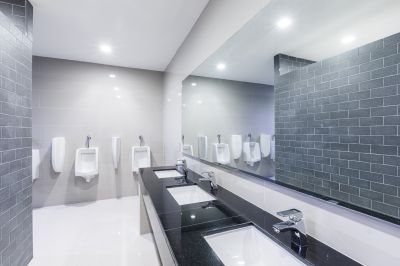
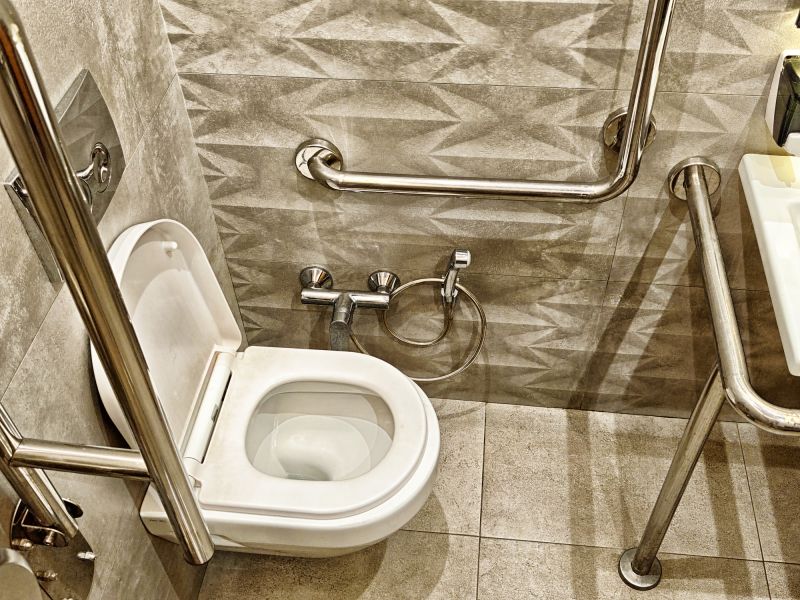
Accessible bathroom remodeling services are often needed when property owners want to improve safety and functionality in their homes. This might include making modifications to accommodate mobility devices, installing grab bars, or adjusting shower and toilet heights to make daily routines easier. Local contractors can assist with these projects, helping homeowners create a more accessible space that supports independence and comfort.
Many property owners seek accessible bathroom upgrades due to aging in place or changes in health needs. Simple modifications can prevent accidents and make the bathroom safer for everyone. Service providers in the area are equipped to handle these improvements, ensuring that the space meets specific accessibility requirements and enhances overall usability.
What types of accessibility features are typically included in bathroom remodels? Local contractors often incorporate features such as grab bars, walk-in showers, non-slip flooring, and widened doorways to improve safety and accessibility.
Can accessible bathroom remodeling accommodate specific mobility needs? Yes, service providers can customize designs to support various mobility requirements, including wheelchair access and seated bathing options.
Are there design options that balance accessibility with aesthetic appeal? Many local professionals offer a range of design choices that combine functional accessibility features with modern, attractive styles.
What are common challenges faced during accessible bathroom renovations? Challenges may include space constraints, plumbing modifications, and ensuring compliance with accessibility standards, which local contractors can address effectively.
How do local service providers ensure the safety of accessible bathroom designs? They focus on installing reliable fixtures, slip-resistant surfaces, and secure grab bars to enhance safety without compromising style.
Accessible Bathroom Design Ideas - Property owners can explore ways to modify existing bathrooms to improve accessibility and comfort for all users.
Universal Bathroom Modifications - Local contractors can help implement features like grab bars and walk-in showers to enhance safety and usability.
Remodeling for Aging-in-Place - Homeowners planning to stay in their homes long-term may consider remodeling to accommodate changing mobility needs.
Custom Accessibility Solutions - Property owners can work with service providers to create personalized bathroom layouts that meet specific accessibility requirements.
If you are thinking about Accessible Bathroom Remodeling for a property, this guide is meant to help you understand the work, the typical project types, and how different options might fit your plans.
When you are ready, you can use the quote form on this page to share a few details about your project. From there, local pros can review the basics and respond with options that match what you have in mind.